WHAT I WORK ON
The problems firms usually call me about.
Most of my work is with professional services firms (law, accounting, consulting and engineering) and the organizations that look like them. The calls I get tend to fall into three areas. Most engagements start in one of them and end up touching the other two.
LEADERSHIP DEVELOPMENT
Managers who were never taught to manage
Someone was promoted because they were excellent at the work, and now they're expected to lead the people doing it. The new ones are still doing the work themselves because it's faster. The experienced ones have learned to get by, and the hard conversation keeps getting pushed to next quarter.
I build programs that teach the actual job: giving feedback that lands, setting expectations without hovering, delegating work you could do faster yourself and having the conversation you've been putting off. People practice on their own situations rather than case studies, and they come back to the next session having tried it. For senior managers the work shifts to leading other leaders and deciding with less information than they'd like.
Common formats
Usually a cohort program over several months. Sometimes a shorter series, or one workshop aimed at a single skill.
TEAM EFFECTIVENESS
Teams where the real conversation happens after the meeting
The meeting is polite, and the hallway afterward is where people say what they think. Sometimes it's a new leadership team that hasn't learned how to disagree yet. Sometimes it's a group coming off a merger, a reorganization or a year that didn't go well, and nobody has said so out loud.
I start by finding out what's actually wrong, because a trust problem, a clarity problem and a conflict problem look alike from the outside and need different work. When it helps, I use The Five Behaviors® to give the team an honest read on itself. Then I run the session where the conversation happens in the room, with me holding it, instead of in the hallway afterward.
Common formats
Usually an offsite or a series of working sessions over a few months. Sometimes ongoing work with a leadership team.
PRESENTATION & FACILITATION SKILLS
People who have to hold a room
A partner has a pitch that matters next month. A leader has to deliver news nobody wants to hear and keep the room with them. An internal L&D team is expected to run programs nobody taught them to facilitate. In every case, someone is about to stand up in front of people who will decide in the first two minutes whether to listen.
I work on the parts that actually decide it: how you open, how you handle the question you were hoping nobody would ask, what to do when the energy drops and how to make a point once instead of three times. People rehearse their real material and get specific feedback, on camera when it's useful. For internal trainers, I coach them through running their own sessions.
Common formats
Usually a one- or two-day workshop. Sometimes coaching ahead of a specific pitch or talk, or train-the-trainer work with your internal team.
HOW I RUN A ROOM
What a session with me looks like
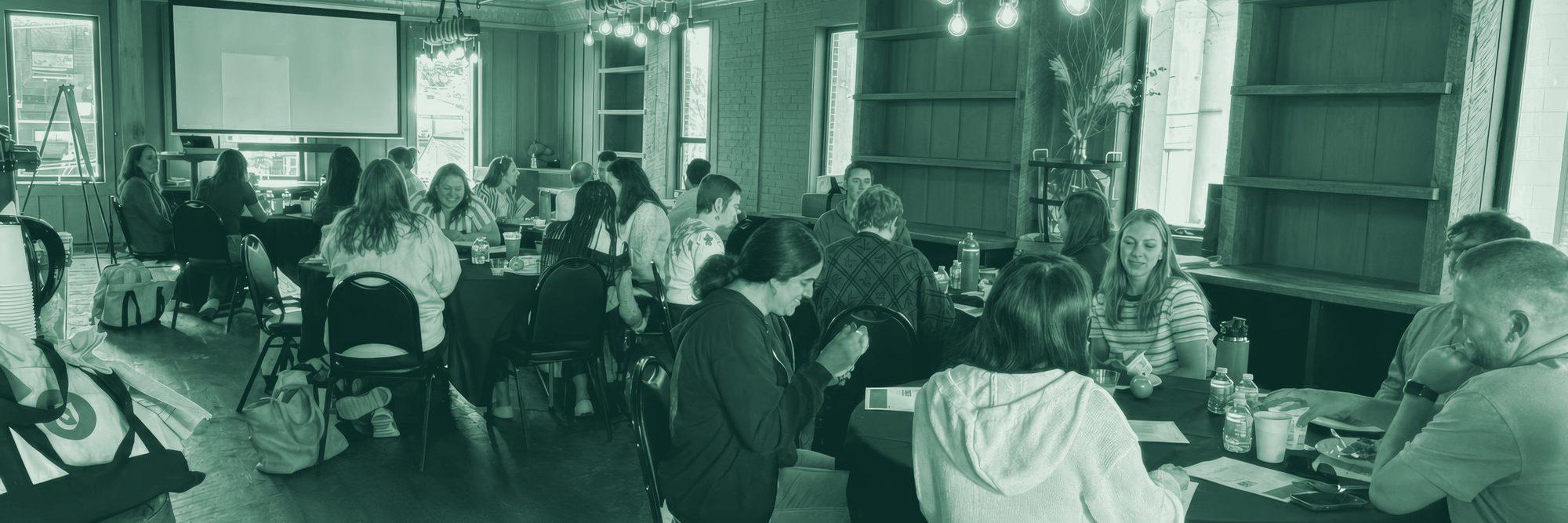
I keep the lecture short. People don't learn to give feedback by listening to me describe it. They learn by giving it, badly at first, to a colleague across the table, and then doing it again. So most of the day is practice on situations people brought with them. I'll stop and teach when the room needs it, and I'll change the plan when the plan isn't working. Nobody leaves with a binder. They leave with one or two things they're going to do differently on Monday, and they can usually tell you what those are before they're out the door.
Any of this can be a single workshop, a program I design for your firm or something I teach your own people to run.
See how I workTell me which of these sounds familiar.
A 30-minute call is enough to tell whether I can help. Tell me what's going on at your firm and what you've already tried, and I'll tell you what I'd do about it, or who else to call.